

by Megan Hughes, Better Homes & Gardens
Winter is known as the quiet season in the garden because most outdoor plants aren’t doing much. It’s the same for your indoor garden. Of course, your houseplants don’t have to endure snow and chilly winds whipping across the landscape. Yet, growing conditions in your home do change in several subtle ways during the colder, darker months of the year. You’ll need to adjust how you care for your houseplants in winter to keep them healthy and thriving. Use these tips to ensure your leafy friends continue to fill your home with their lushness and natural beauty through the depths of winter.
1. Cut back on watering.
“Winter means less light, and generally speaking, less light means less water,” says Erin Marino from The Sill. The more sunlight a plant receives, the thirstier it will be over time, Marino explains. With limited sunlight in winter, plants use less water than they do when they are actively growing in spring and summer. “A plant that you watered every week in summer might now prefer to go two weeks without water,” Marino says. Instead of following a schedule, it’s better to check how the potting mix feels before watering. Poke your finger at least an inch into the soil. If it’s dry, water the plant thoroughly. If it’s moist, wait a couple more days and check the soil again. If you’d rather not get your fingers dirty, use a moisture meter. “Remember, it’s easier to add water than to remove it! So, lean toward the side of under-watering if you want to be extra cautious,” Marino says.
2. Pay attention to sunlight.
When the sun comes up later and sets earlier, plants receive less sunlight than they did in spring and summer. If possible, you may want to move your plants closer to windows so they can take advantage of as much light as possible. Rotate pots a quarter turn each week to ensure all sides of your plants get sunlight from time to time. If boosting the light levels isn’t an option for you, most plants will be just fine. “Your inside plants will adjust to the seasonal change outside,” Marino says.
3. Don’t worry about a few dropped leaves.
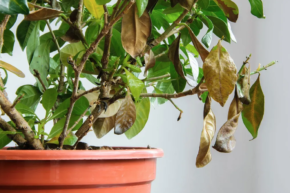
“When bringing houseplants that spent the summer outside back indoors, they will likely drop some leaves,” says Marino. “This is perfectly normal, as they are adjusting to the lower light levels of being indoors.” If your plants stay inside year-round, a small amount of leaf drop coming into winter is normal, as well, Marino says. Leaf drop due to winter is the houseplant’s way of preparing for lower light levels and is nothing to worry about.