



Landscaping Tips
Fruit and Vegetable Tips
Perennial/Annual Tips
General Gardening Tips
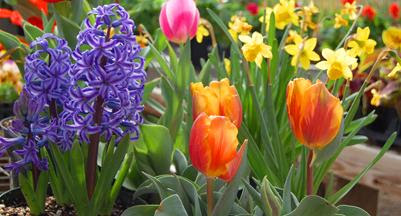
Plant a garden bursting with color next spring?
Now is the time to get those flower bulbs in the ground! Tulips, daffodils, hyacinths, and crocuses need the cool months to settle in and prepare for their big show. Come spring, you’ll be rewarded with a beautiful explosion of color after a long winter.
At Payne’s, we believe great blooms start with great bulbs! That’s why we carry only the largest, highest-quality Holland-grown bulbs, selected for their gorgeous colors and outstanding blooms. The sooner you shop, the better your selection!
COME SEE US AT PAYNE’S AND GET YOUR SPRING GARDEN STARTED!
PAYNE’S TIP: Give your bulbs a healthy head start! Add a little bulb food or bone meal when planting to help support strong roots and beautiful blooms. A little preparation now can make a big difference come spring. And yes, we have both at Payne’s!
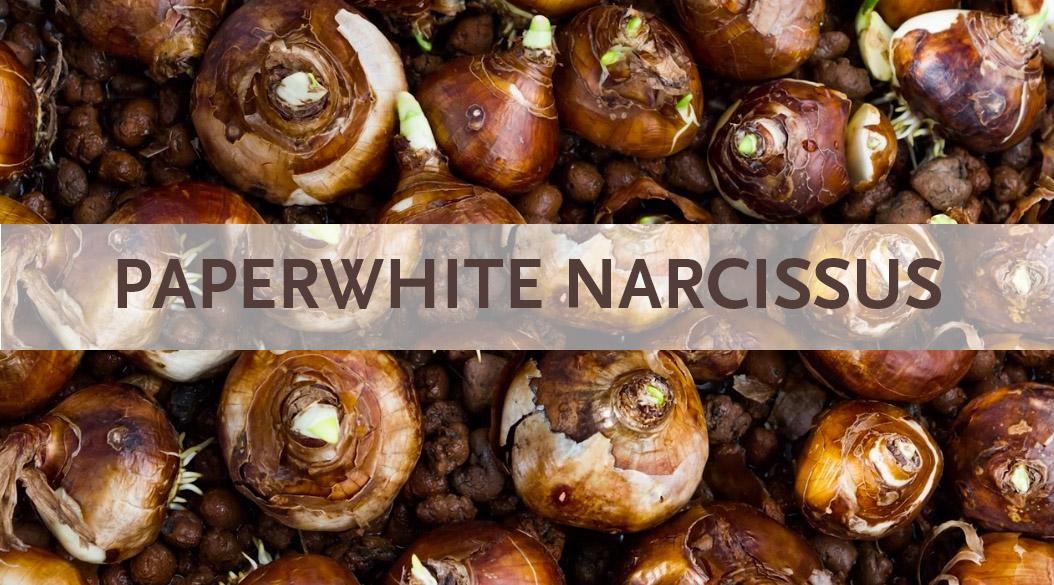
Payne’s just received our Paperwhite Narcissus bulbs for the Holiday season. Hurry in to both stores because these will sell out AND we won’t be getting in another shipment!
When you buy Paperwhite narcissus bulbs from Payne’s, you buy the best bulbs available from our Dutch grower. Paperwhites are deliciously fragrant and don’t need cold treatment to be coaxed into bloom, as hyacinths and tulips do.
Here’s how to bring your Paperwhites to flower:
Some people prefer forcing Paperwhites using containers that don’t drain such as a soup bowl or deep platter. Put the bulbs in, pointy side up and then fill in with gravel covering approximately 3/4 of the bulb. Keep water in the bowl. Plant more bulbs in bowls or pots, every week or two, to space out the blossoming.

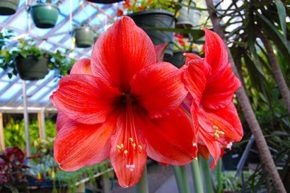
Payne’s just received a shipment of the biggest and best quality Amaryllis bulbs.
Amaryllis are one of the easiest bulbs to bring to bloom. Try your hand at planting these bulbs indoors in pots NOW so that you will have them in bloom for Christmas, New Year’s or Valentines.
Once the bulb has bloomed, it can be kept in the pot and allowed to grow like any other houseplant. This will allow the Amaryllis bulbs to bloom on its own cycle as opposed to being forced to bloom for the holidays.
Stop by Payne’s North and get yours today! Many colors to choose from! Hurry in, these will be going fast! Last year we ran out and had to order more.
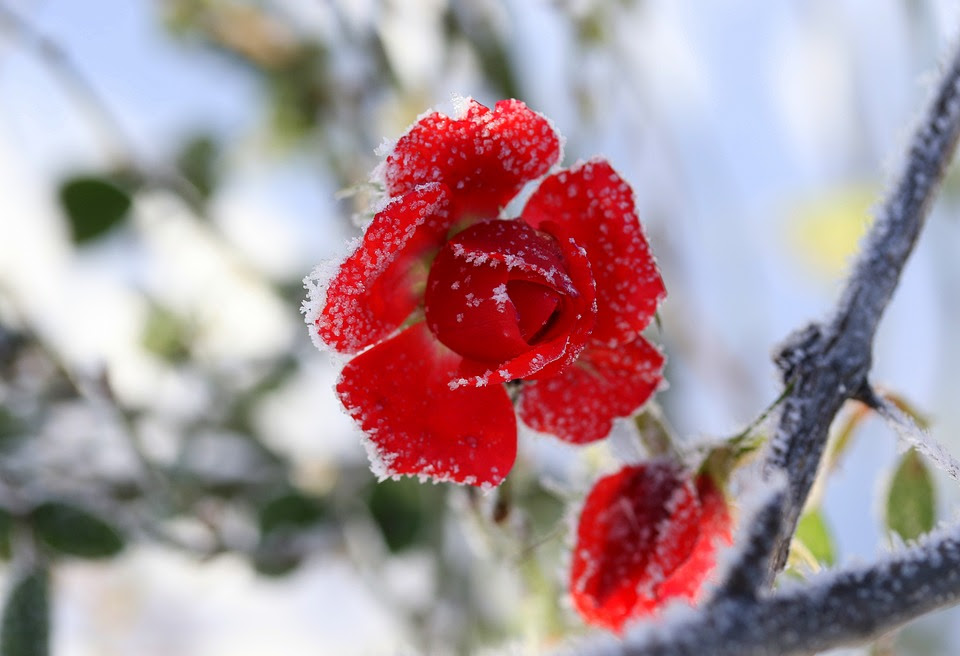
HOW TO GET ROSES READY FOR THE WINTER MONTHS?

Another GREAT Question!
In this week’s archived show from previous years, the Garden Guru recommended some things that we should do to protect our roses for the winter months. Lynn mentioned that what you really need to assess if your roses are “grafted” or “not grafted” before you decide.
Once this is established, then you will know how much to protect your roses.
Listen to Lynn’s tip to see which way to go with your roses.
———————————————————————
CLICK HERE to listen to the GARDEN GURU’s archived show.
HAPPY GARDENING!
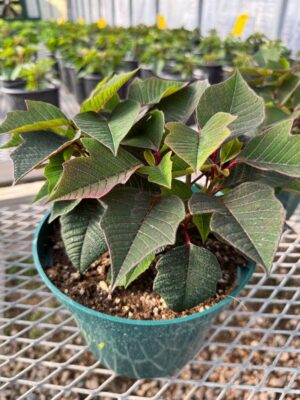
OUR POINSETTIAS ARE GROWING STRONG!
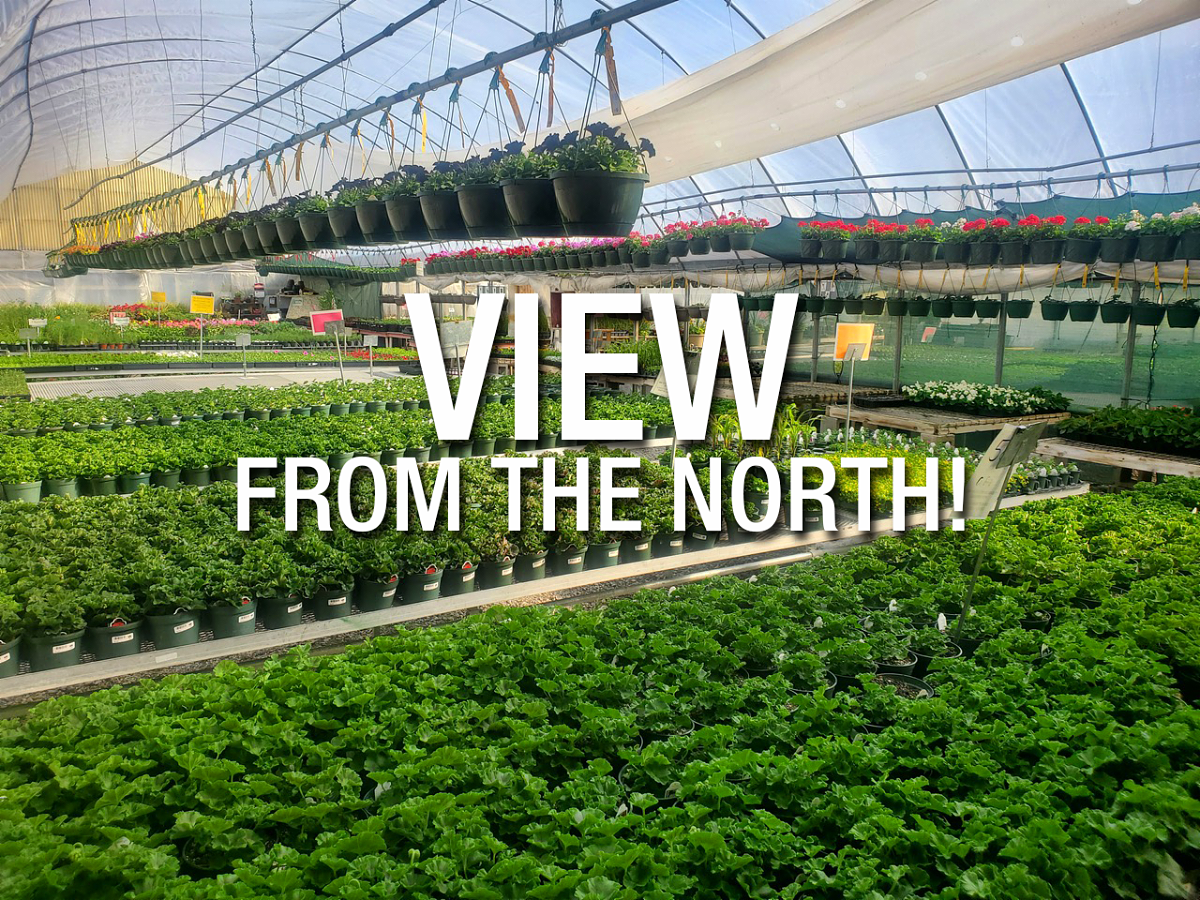
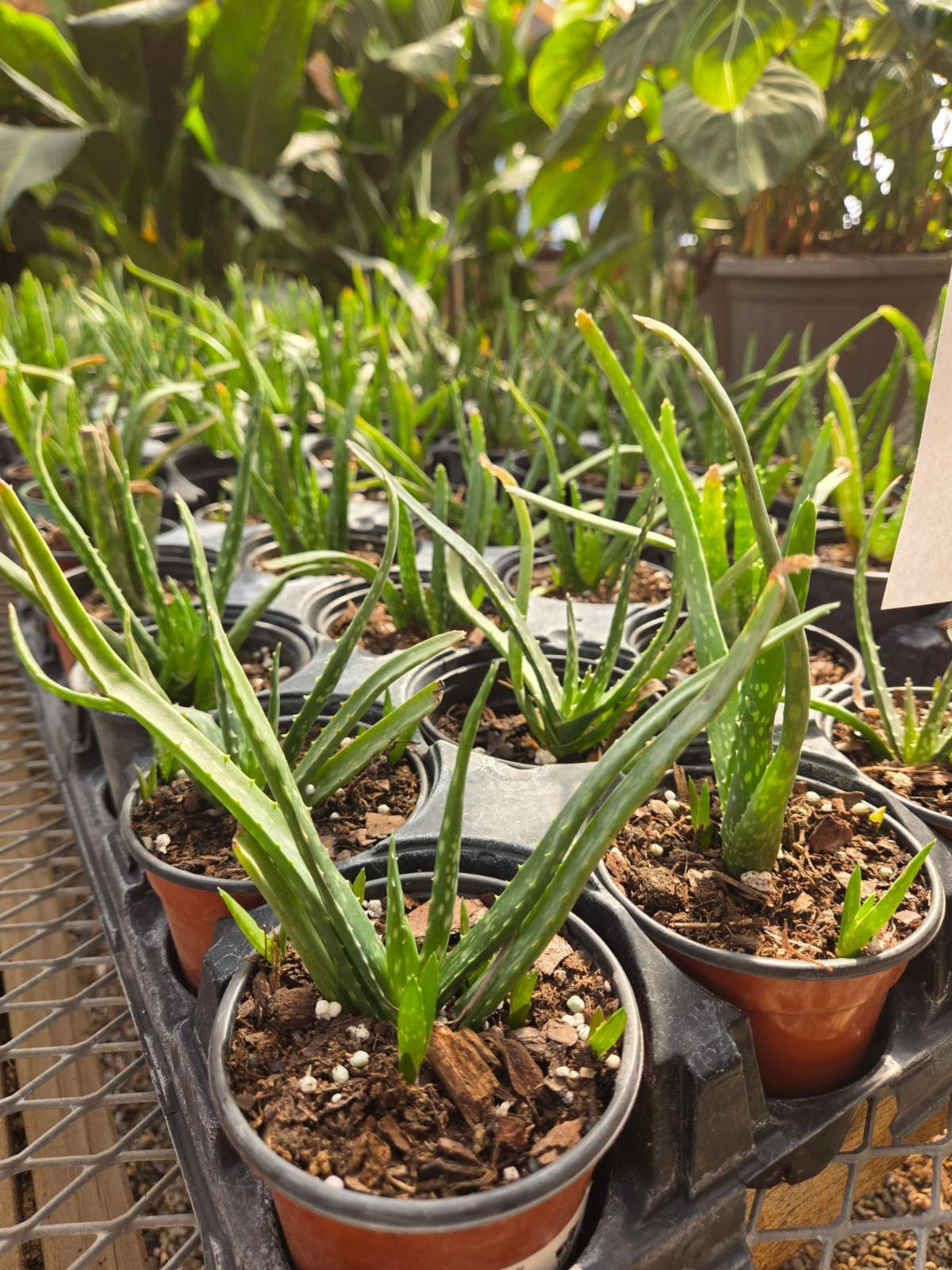
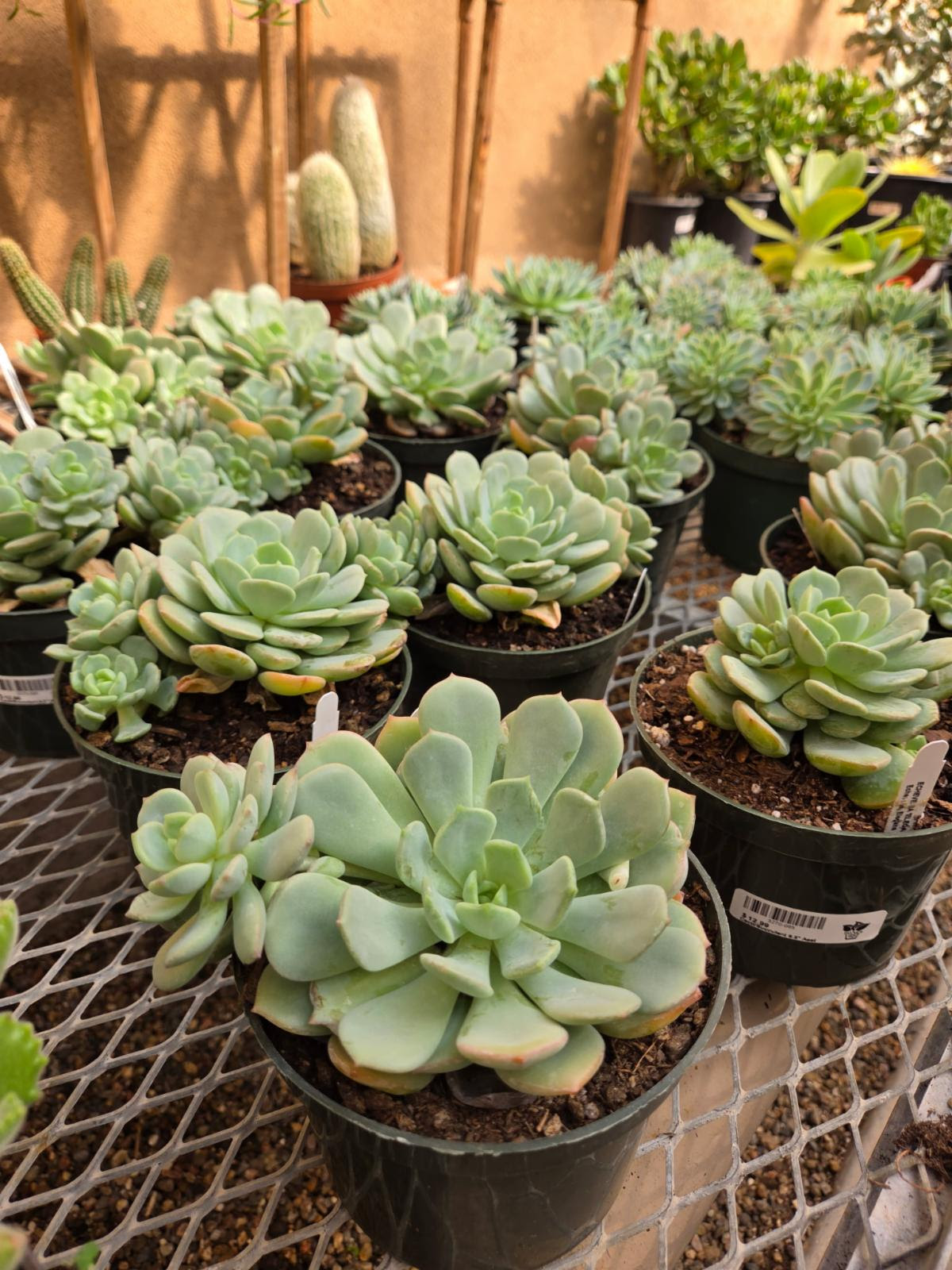
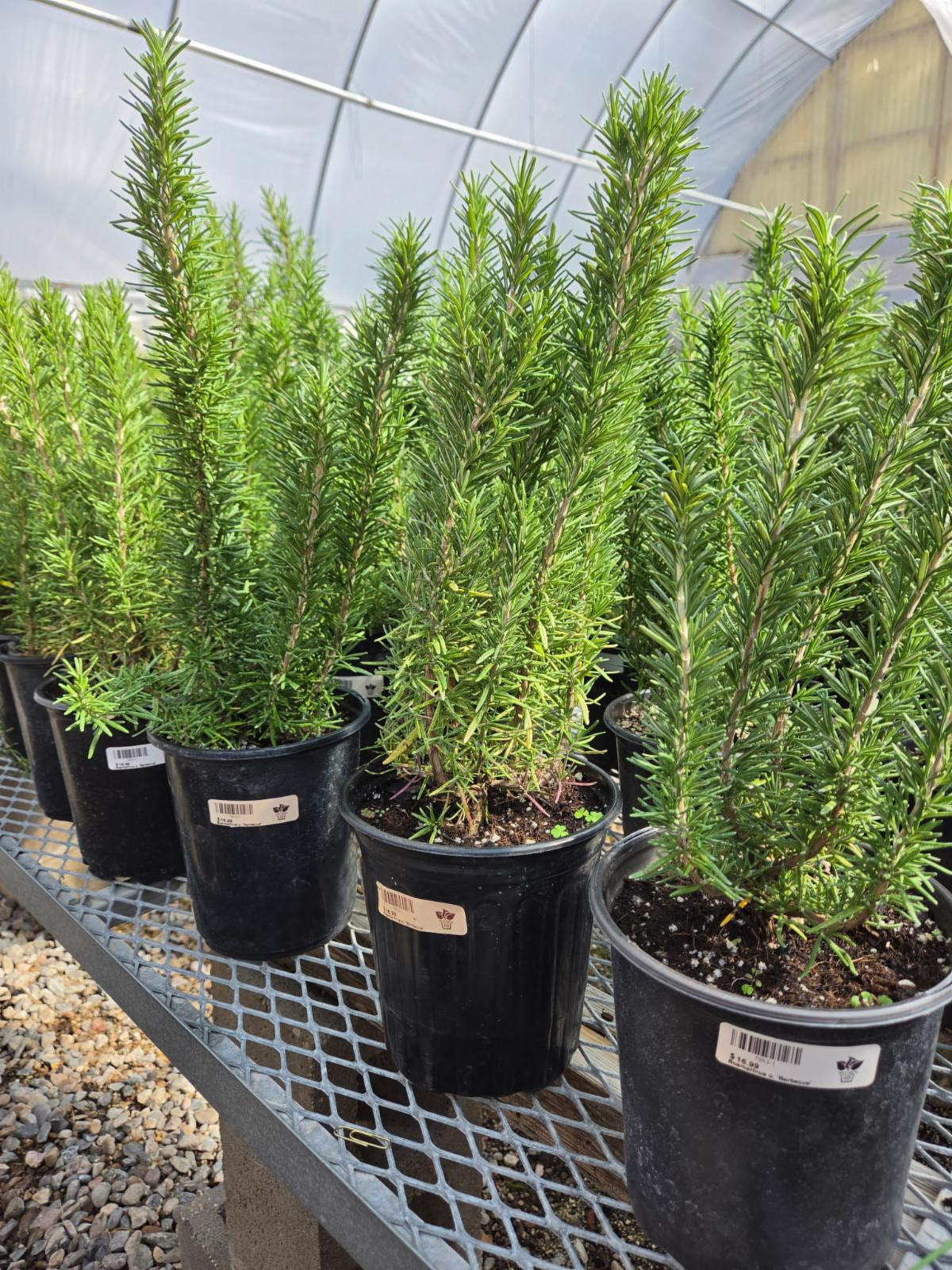
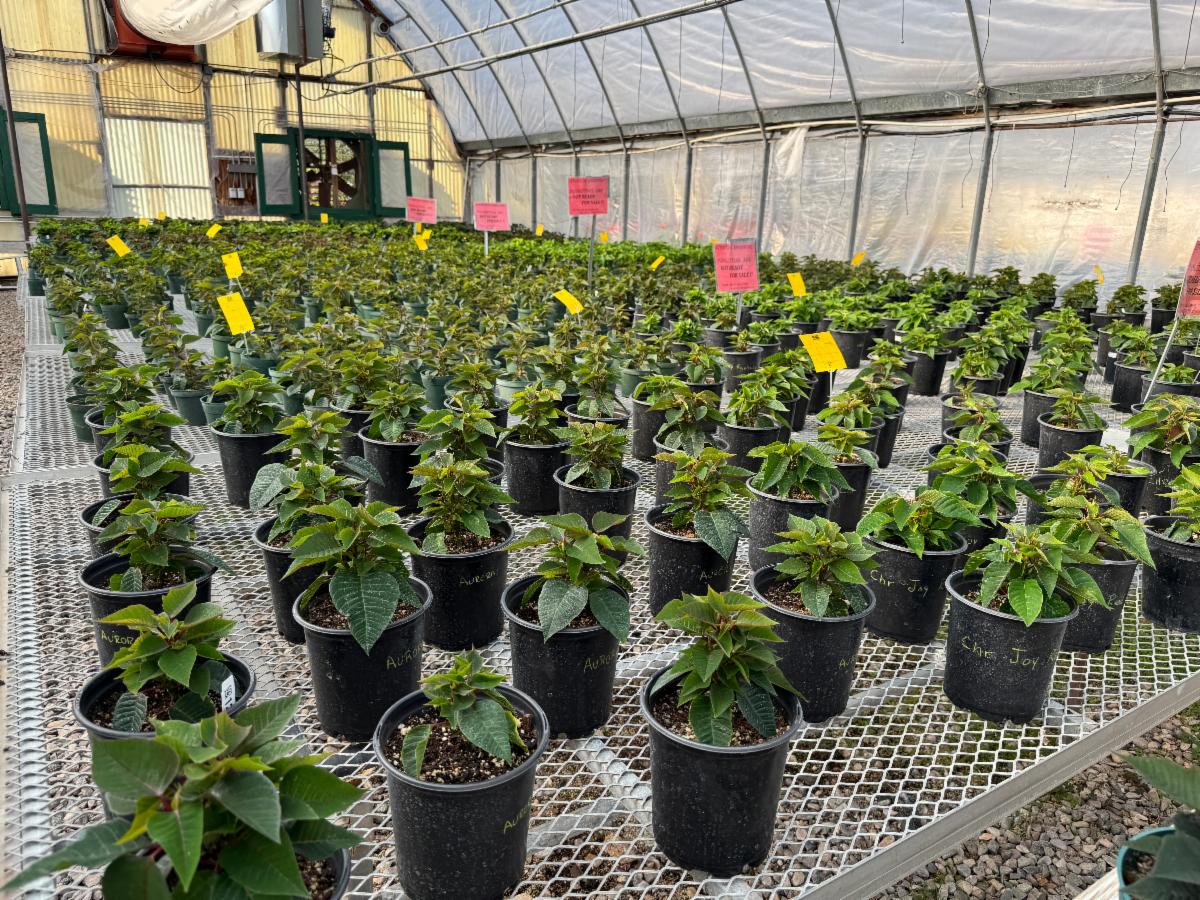
Long before poinsettias make their way into your holiday home, they’re busy growing right here at Payne’s Nursery! Our team has been caring for these holiday favorites for months, and now the fun really begins. Follow along as our poinsettias grow, fill out, and develop those gorgeous colors we all love. It’s a behind-the-scenes look at how a little green plant becomes one of the season’s most festive traditions!
CLICK HERE TO SEE PAYNE’S POINSETTIA GROWING PROCESS.
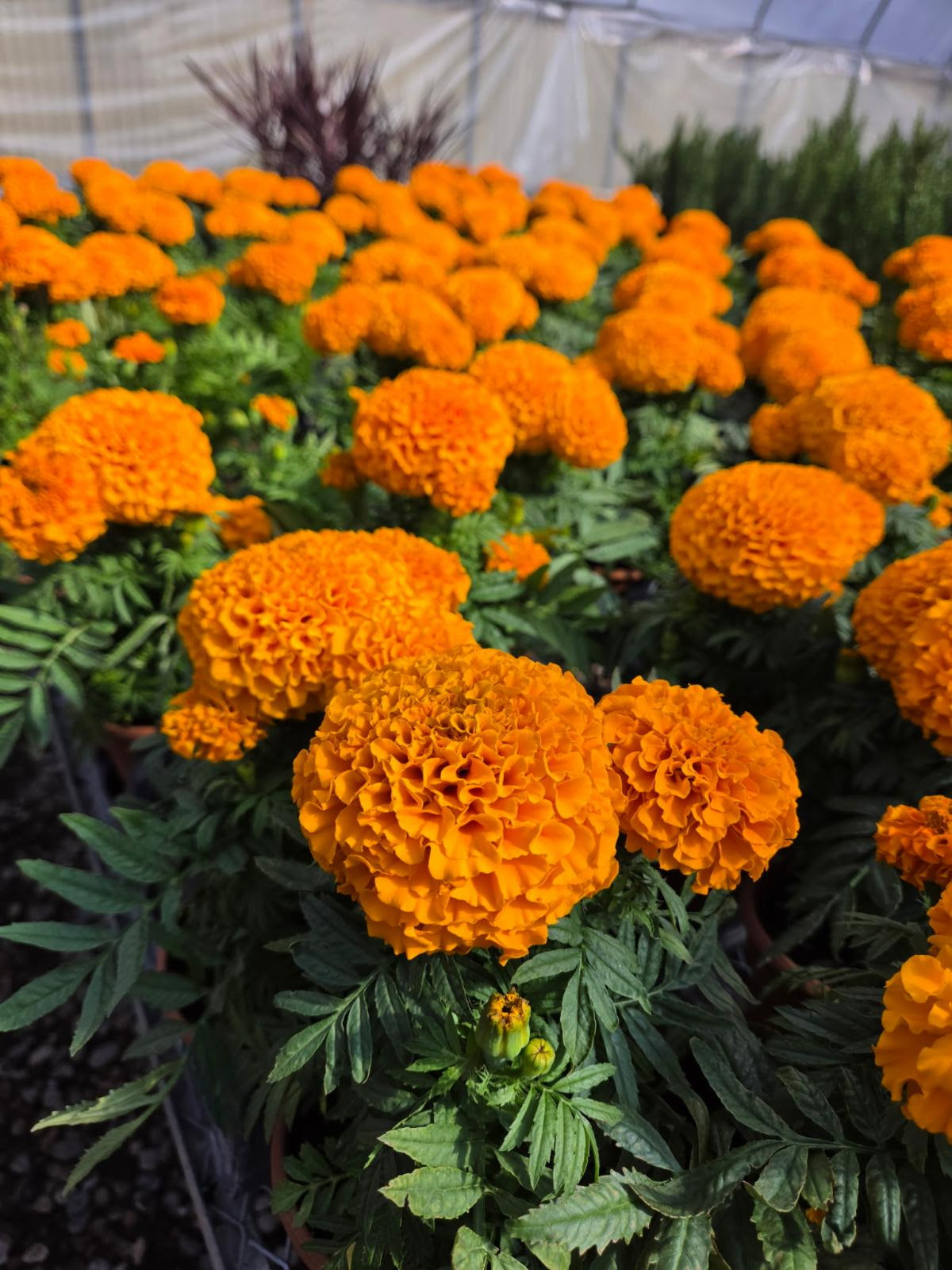
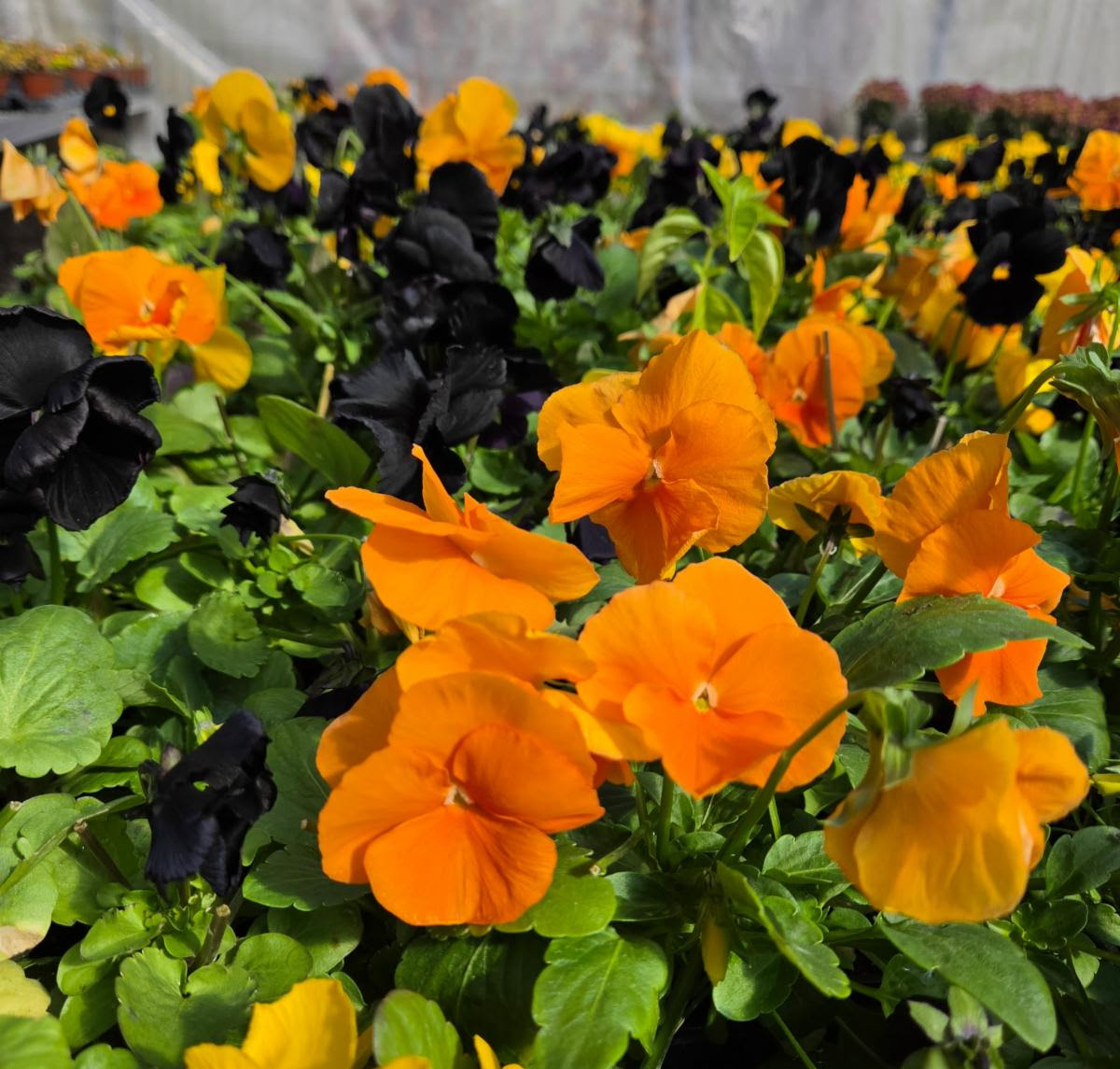
With their brilliant orange and golden-yellow blooms, marigolds hold a special place in Día de los Muertos celebrations. Their sunlike colors and distinctive fragrance are believed to help guide the spirits of loved ones back to visit the living.
Marigold petals are often scattered along pathways to altars or placed among photographs and offerings, honoring cherished memories, celebrating life, and keeping family traditions alive.
STOP BY TODAY FOR OUR BEAUTIFUL SELECTION OF MARIGOLDS!
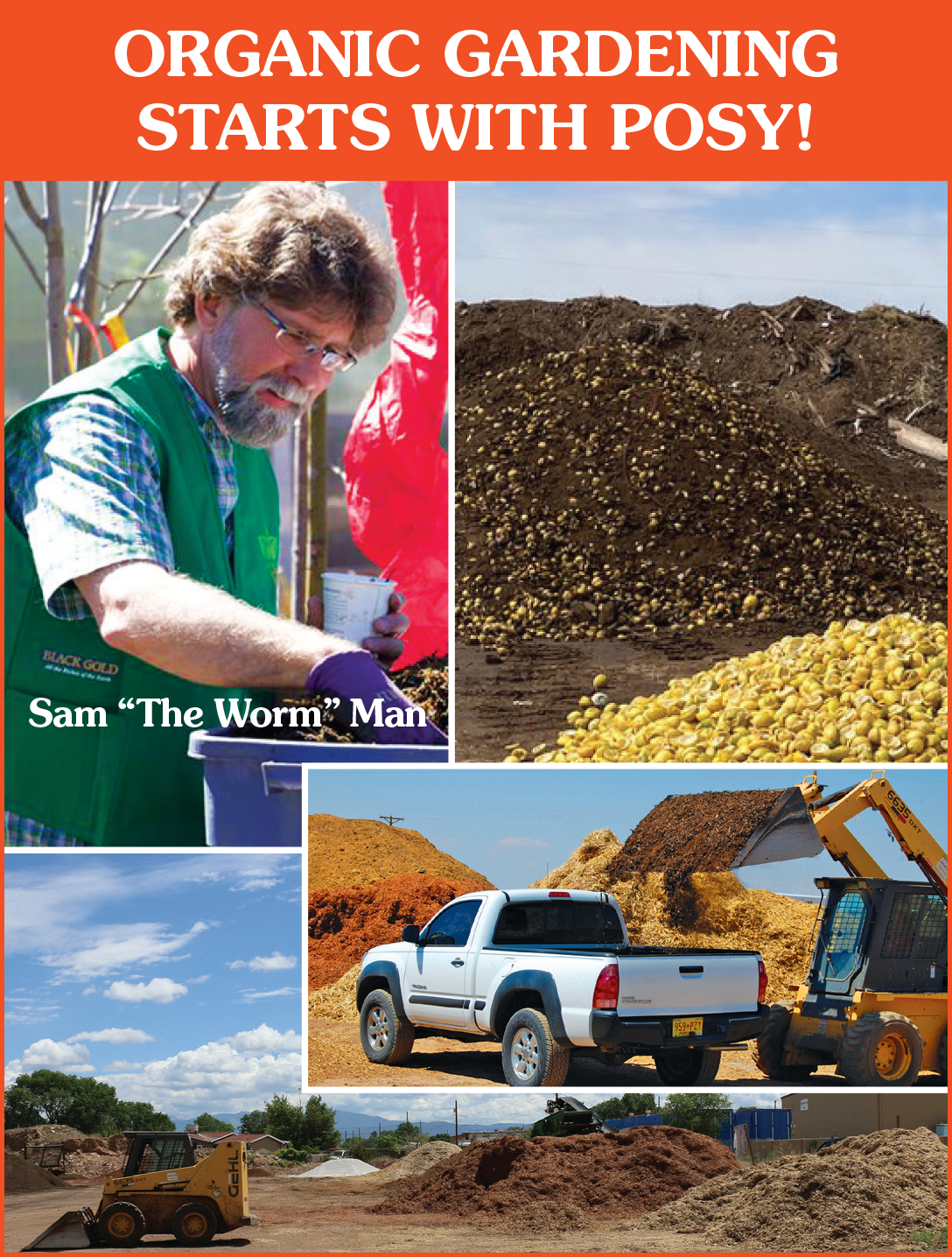
Stop by and see Sam and ask him what is the best product for your current needs.
Buy in bulk! We’ll deliver for a small fee or bring your truck and we’ll load it for you!
Payne’s Organic Soil Yard
6037 Agua Fria
505-424-0336
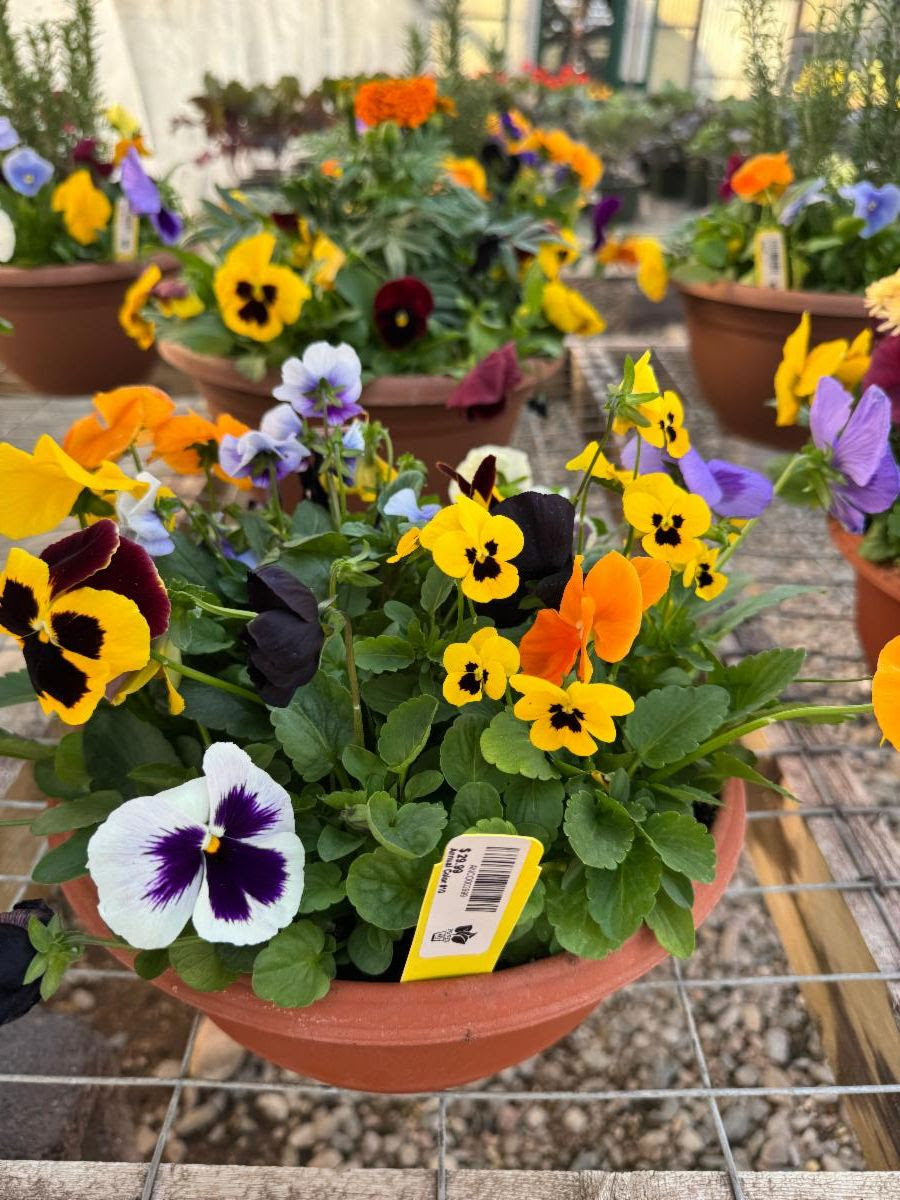
PHOTO OF THE WEEK!
ANOTHER BEAUTIFUL ARRANGEMENT BY THE PAYNE’S TEAM! IN STOCK NOW!
—————————————————-
SHARE YOUR PHOTOS! Please keep sending in your photos.
You Could WIN a $25 Gift Card!
If you have a photo taken in one of our greenhouses or of your own garden orlandscape that contains products from Payne’s, please send it to info@paynes.com!
If your photo is chosen, and used in our e-newsletter website or other marketingmaterials, then you will receive a Gift Certificate from Payne’s for $25!Please make sure to give us your contact information in your email.

by The Old Farmer’s Almanac
Here’s THIS MONTHS ZODIAC SIGN PROFILE AND HOW IT CAN HELP YOU GARDEN:
SCORPIO (OCTOBER 24 – NOVEMBER 23)
Scorpio deepens the fall. Always having a plan, you make sure that successive plantings of snap peas or lettuce grace your gardens. You are the strongest member of the zodiac and thus are attracted to vigorous plants such as Swiss chard, which regrows when cut. Tomatoes appeal to you for the color red, and eggplants for their affinity with purple. Being sexy and passionate, you are captivated by exotic lilies, with their deep, nectar-coated throats. You like a challenge, so sushi and Thai foods are often on the menu in your kitchen.