



By Janet Loughrey, Garden Writer & Photographer
After an interminably long, cold winter, gardeners are anxious to be outside and get their hands in the dirt. As memories of harsh winter storms fade in the warmer days of spring, it’s time to think about waking up the garden for the new growing season. With so much to get done, it’s easy to feel overwhelmed on where to begin. By planning ahead and getting yourself organized, spring chores can be a snap. Here are some tips to get you started:
Seed starting
Start seeds of vegetables and annuals indoors 6-8 weeks before you plan to set them out. Make a planting schedule so that seedlings are mature at the optimal time for your region. Once soil temperature reaches 40 degrees F, crops such as greens, radishes and peas can be directly sown. Wait until soil temperature warms to 50 degrees F to plant cabbage, onions and Swiss chard. Summer vegetables can be sown in late spring.
Prune shrubs and vines
Now is the time to prune roses, (some) shrubs and perennial vines. Remove dead branches and shape plants once new growth appears. Research proper pruning techniques and timing for each variety, and hold off on pruning spring bloomers until after they flower.
Prepare ornamental beds
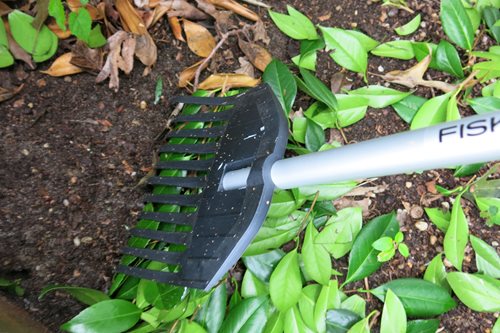
Start with areas where spring blooming bulbs are peeking out of the ground to spiff up early color displays. Rake out surface debris and cut back perennials and ornamental grasses before new growth appears. Top dress with several inches of homemade compost or well-seasoned manure, which will add slow-release nutrients, suppress weeds and conserve water during warm summer months.
Edible planting
Remove surface debris such as leaves or mulch from vegetable beds to help warm the soil. To avoid compaction, wait until soil has dried out sufficiently before tilling. If soil crumbles when you try to make a ball, then it’s time to work the beds. Add amendments such as aged compost, manure and trace minerals before planting early crops of lettuce, radishes, kale, peas and onions. Protect young plants from late frosts with a cloche or cold frame.
CLICK HERE to read more.