
PAYNE’S NURSERY HAS THE INDOOR PLANTS THAT WILL HELP YOU DO JUST THAT!
Transform your home into a vibrant winter escape with tropical plants like fiddle-leaf figs, ferns, hoya, and schefflera. Their lush greenery and bold foliage bring a touch of summer indoors, filling your space with energy and life. As temperatures drop and daylight fades, these tropical beauties serve as reminders of sunnier days, creating a serene, paradise-like atmosphere that lifts your spirits.
Surrounding yourself with tropical plants not only brightens your home but also evokes the feeling of a cozy, exotic oasis. Each plant adds its own unique charm, combining visual appeal with a sense of tranquility. Together, they transform your space into a relaxing sanctuary, making the colder months feel a little warmer.
Stop by Payne’s NORTH today and pick up some plants to create your own paradise!
NOW is the best time to start planning your garden.
Our 2026 seeds are here and our seed racks are stocked and ready – with plenty of varieties to choose from. Brands like: Botanical Interests, Lake Valley Organics, Peppers of the World and more!
If you’re not sure about which variety to choose, our gardening experts will help you decide!
For over 200 years, the Farmers’ Almanac has been predicting long-range weather forecasts to help you plan ahead.
These forecasts are created using a tried-and-true formula that adapts to the mysteries of nature and the ever-changing world in which we live. The basis of our prediction method was developed by our founding editor according to correlations between celestial events and various meteorological conditions.
Today this formula uses some of the original rules set forth back in 1818, but also accounts for fluctuations in the environment on Earth, as well as sunspots, the motion of the Moon, and other proprietary factors.
Forecast for the Southwest
For the 2025-2026 winter, the Farmer’s Almanac predicts the Southwest (including AZ, CA, NV, NM, West Texas) will generally experience warmer-than-normal temperatures with below-normal precipitation, though some areas, like the eastern Desert Southwest, might see above-average rainfall and heavier mountain snows. Expect drier spells, but with potentially wet periods in January and stormiest times in late November, mid-January, and late February, with the coldest periods in late January and February.
Key Forecast Points for the Southwest:
Temperatures: Overall warmer than normal, with the coldest snaps in late January and February. Precipitation: Drier than average, but eastern parts of the Desert Southwest could see above-average rainfall. Snowfall: Below-normal mountain snows expected in the Pacific Southwest. Stormy Periods: Late November, mid-January, and late February are flagged as potentially stormier. January Specifics: Warm, rainy spells early in the month, with potential for snow in eastern areas, and sunny but cold conditions later on.
In Summary: Expect a milder winter for the Southwest, generally drier, but with some chances for moisture and colder bursts, especially towards the end of the season.
In this week’s archived show from previous years, the Garden Guru answered a few questions about how to keep our houseplants healthy during the winter and discussed a few ideas.
Lynn mentioned that some of his customers like to use milk or mayonnaise to clean the leaves on their plants because it helps them look shiny and makes them vibrant. Using these home remedies is really not good for plants at all! By applying milk or mayo, these products will tend to leave a sticky residue on them and will … well… you need to listen to the Garden Guru’s tip on how to clean your leaves and what else to watch out for.
———————————————————————-
CLICK HERE to listen to the GARDEN GURU’s archived show regarding Indian Market and what to do now in the garden!
Annuals that have been growing indoors need bright light in the winter months to grow healthy, pest-free foliage and to set flower buds.
1. During the Winter months it is really important to routinely check potted annual cuttings for moisture. If your house is warm and dry, the potting mix may dry out more rapidly. Water when the growing mix feels dry to the touch.
2. Newly sown seed will need proper moisture to ensure good germination. Do not waterlog the growing mixture.
3. Cover the plant trays with plastic, but as soon as the seeds have germinated, remove the plastic cover to protect the seedlings from damping-off disease (caused by a pathogen in soil which is aggravated by keeping the growing mix too wet).
4. Once the seeds have germinated, remove the plastic cover. Water the growing mixture when it begins to dry out slightly or before seedlings begin to look droopy. Use a mister or watering can. It is better to slightly underwater, as the former reduces the onset of diseases.
PAYNE’S TIP: Remember to keep all of your potted plants away from heat vents so as not to dry up the soil too fast. Also, those with radiant heat, raise your plants off the floor.
—————————————————- SHARE YOUR PHOTOS! Please keep sending in your photos. You Could WIN a $25 Gift Card! If you have a photo taken in one of our greenhouses or of your own garden orlandscape that contains products from Payne’s, please send it to info@paynes.com!
If your photo is chosen, and used in our e-newsletter website or other marketingmaterials, then you will receive a Gift Certificate from Payne’s for $25!Please make sure to give us your contact information in your email.
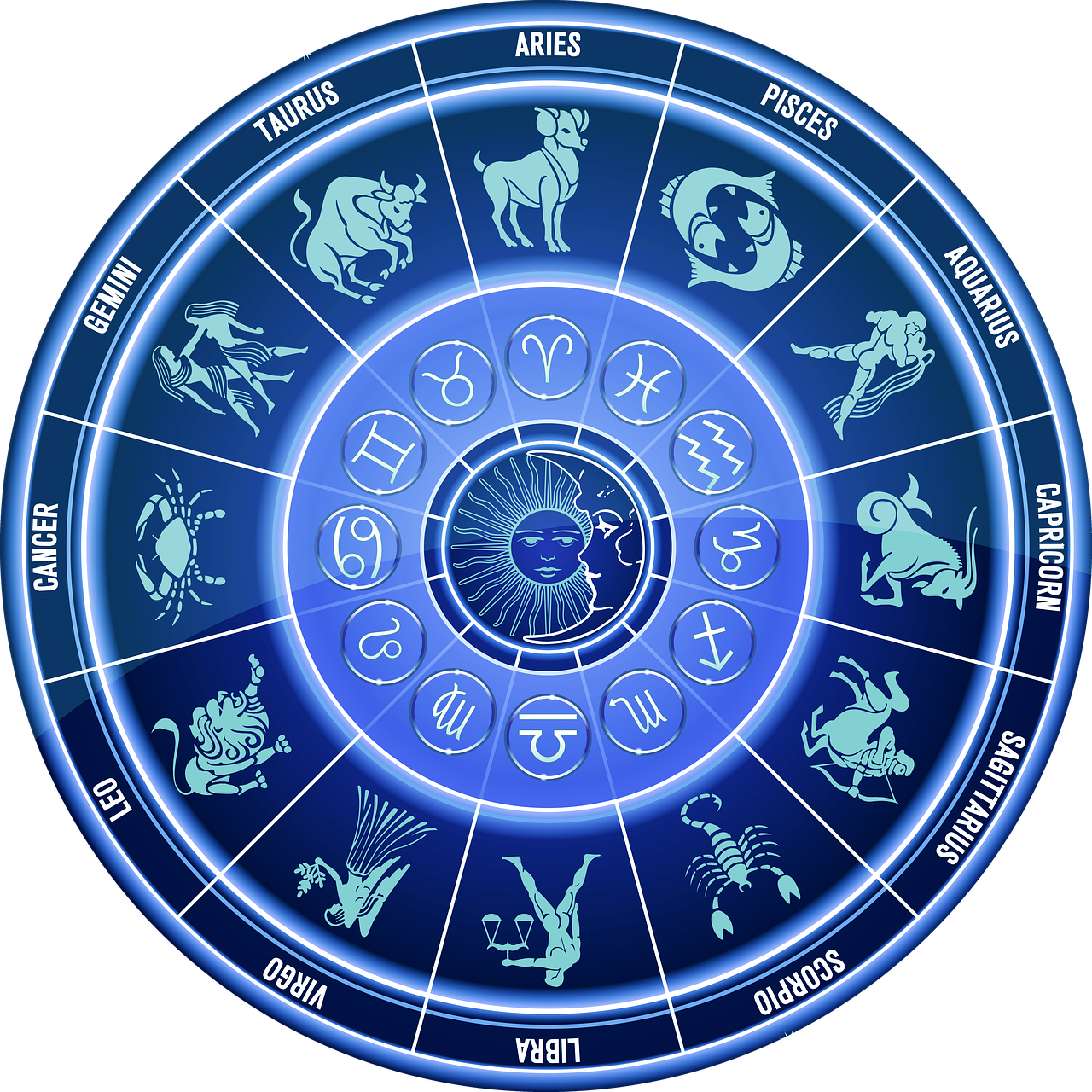
Here’s THIS MONTHS ZODIAC SIGN PROFILE AND HOW IT CAN HELP YOU GARDEN:
CAPRICORN (DECEMBER 22 to JANUARY 19) Capricorn begins the winter. You are a serious, organized soul, so in the spring, you create formal plantings of tulips and daffodils. Summer gardens include fieldstone pathways between neat rows of pole beans, radicchio, and cucumbers. As a conscientious and disciplined person, you strive for a long season and a full year; therefore, spinach, arugula, and chicory grace the fall selections. Hearty soups and stews are long-term favorites for dinner and are always served with your best china and silver.