
Aphids Are Everywhere This Time of Year
Don’t let their tiny size fool you—aphids can cause major damage in a short amount of time.
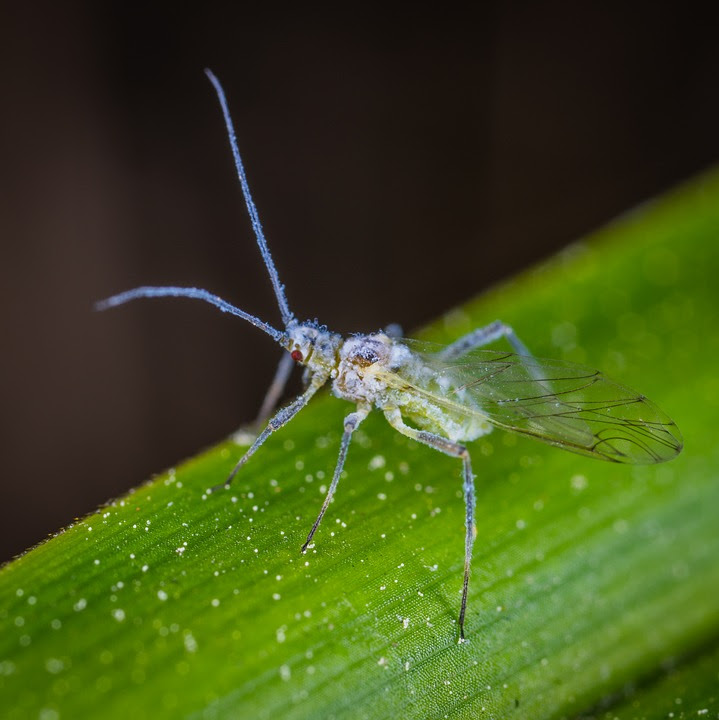
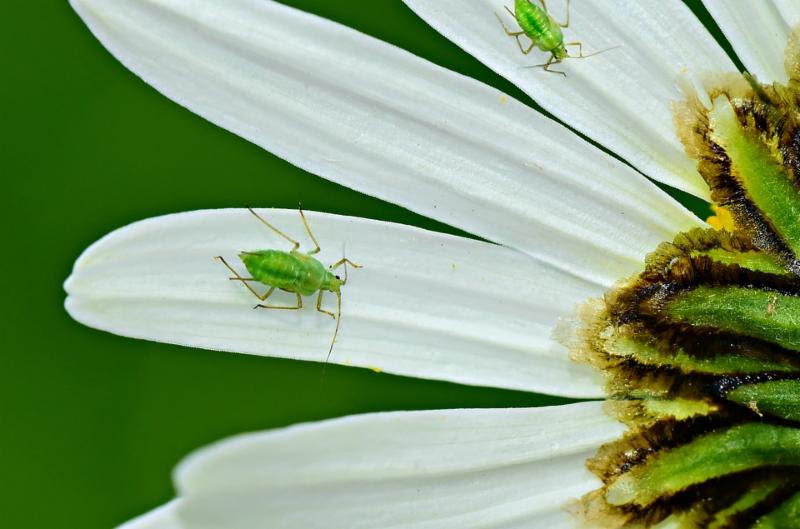
These sap-sucking insects are less than ¼-inch long and come in a variety of colors, including green, yellow, black, brown, gray, white, and even pink. Some have a waxy or woolly appearance. Aphids have soft, pear-shaped bodies with long antennae, and most species have two small tubes (called cornicles) extending from their rear. Both adult aphids and nymphs feed by sucking plant juices from leaves, stems, flower buds, blooms, fruit, and even roots. They especially love tender new growth, where they multiply quickly.
Signs You Have Aphids:
Curled or Distorted Leaves
Look for leaves that are curled, yellowing, stunted, or misshapen. Be sure to inspect the undersides of leaves—aphids love to hide there.
Sticky Residue (Honeydew)
Aphids leave behind a sugary substance called honeydew as they feed. This sticky coating can attract ants and may drip onto cars, patios, outdoor furniture, and sidewalks beneath infested plants.
Black Sooty Mold
Honeydew often leads to the growth of sooty mold, a black fungus that coats leaves and stems, reducing the plant’s ability to photosynthesize.
Damaged Flowers & Fruit
Heavy feeding can cause flowers and fruit to become distorted, deformed, or fail to develop properly.
Leaf Galls
Some aphid species trigger unusual swellings, or galls, on leaves or roots.
Disease Spread
Aphids can transmit plant viruses from one plant to another, making infestations even more damaging.
Protect Your Garden Before Aphids Take Over
The sooner you catch an aphid infestation, the easier it is to control. Regular inspections—especially on new growth—can help prevent serious damage.
Stop by Payne’s North and talk with our gardening experts. We’ll help you identify the problem and recommend the best insecticide or treatment to get your plants healthy again.